gandira
Also: makandira ncomane mantshomane
Contextual Associations
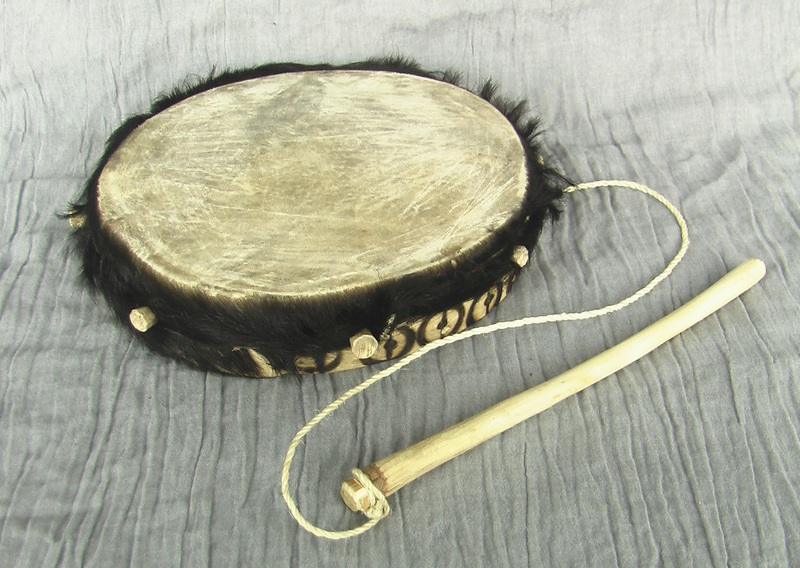
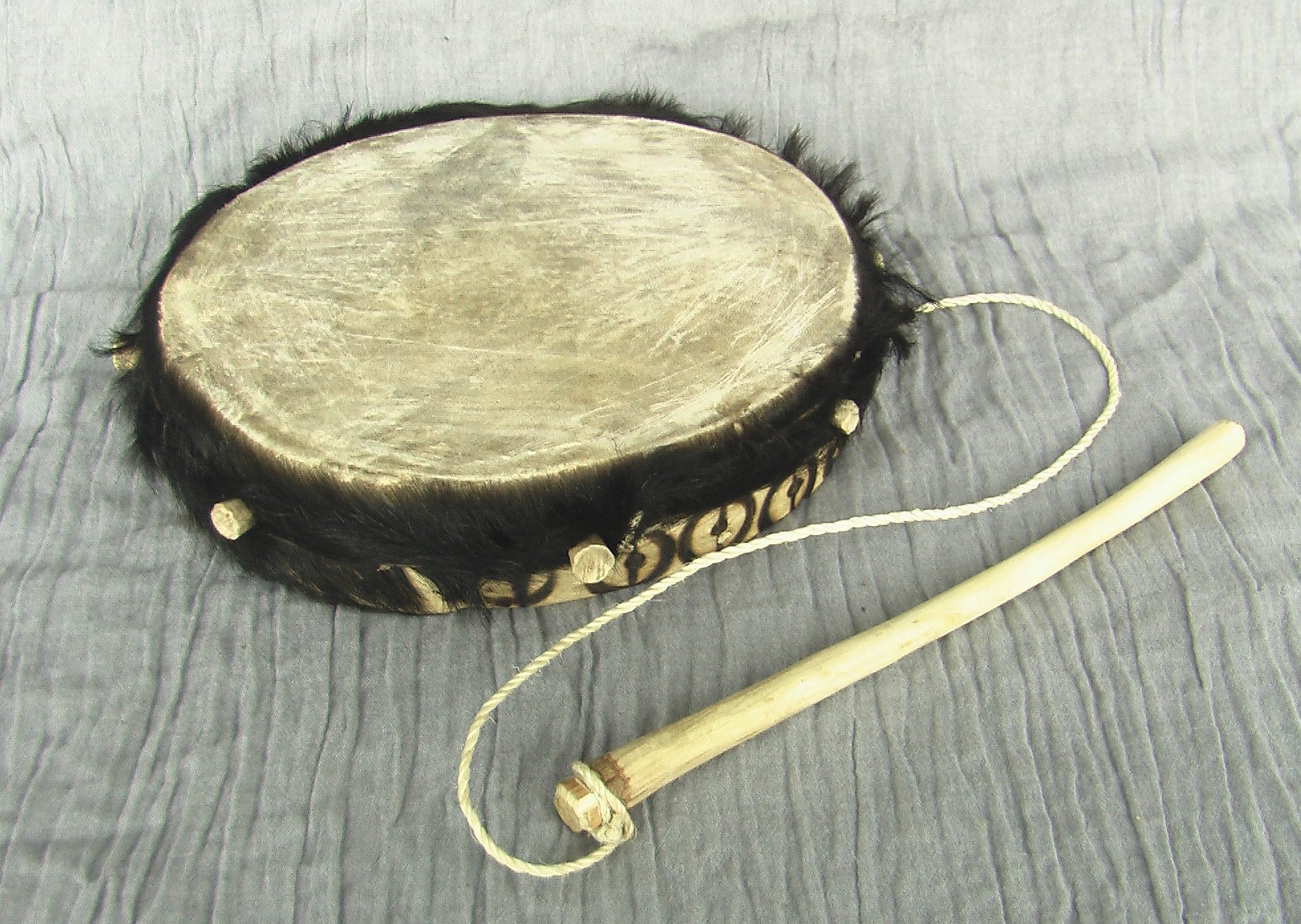
The gandira is a single-head membranophone of the Ndau people of Zimbabwe; the gandira (plural makandira) pictured in gallery #1 would be sounded as part of a set of frame drum membranophones played in the Ndau communities of Zimbabwe and Mozambique. In the Chipinge District in southeastern Zimbabwe, they are primarily played in spirit possession ceremonies for madzviti spirits. Madzviti are the spirits of soldiers from the armies of the Gaza Nguni under the leadership of Mzila. The Gaza Nguni originated in the region surrounding what is now Eswatini but fled north into Mozambique and Zimbabwe during the 19th century. Because of this association, the drums themselves are often considered sacred and frequently hang on the walls of the homes of spiritual healers. The gandira is also known as ncomane in Tsonga-speaking communities or mantshomane in Pedi-speaking communities.
Description
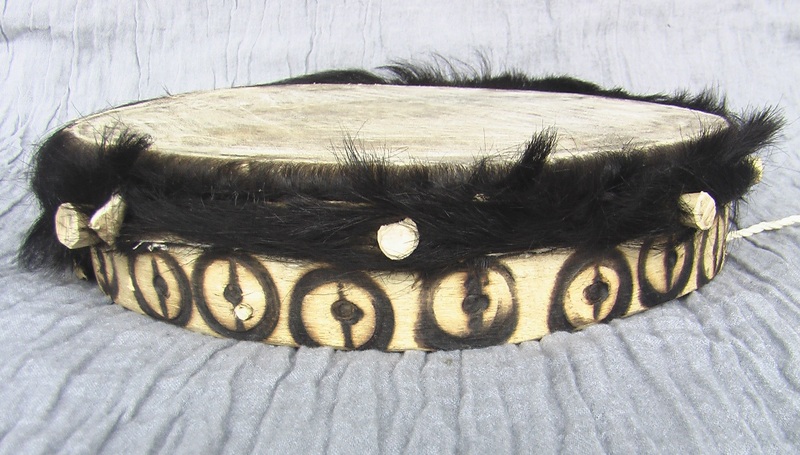
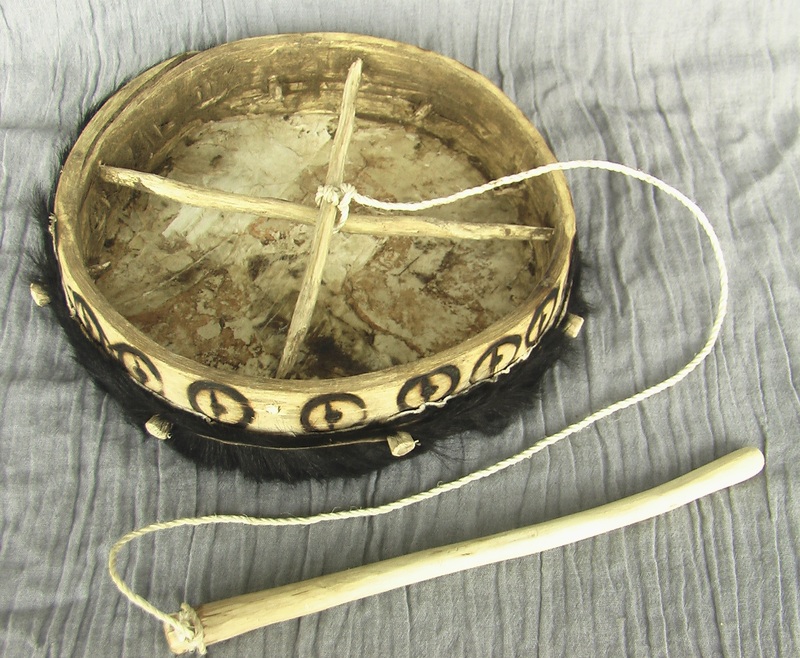
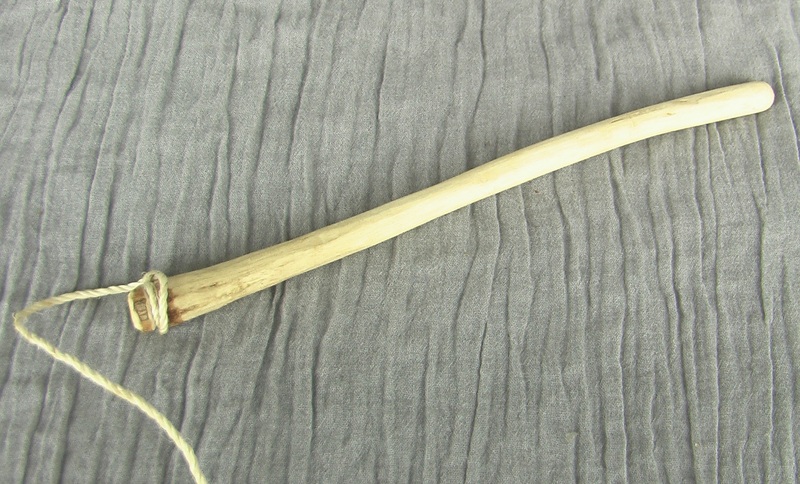
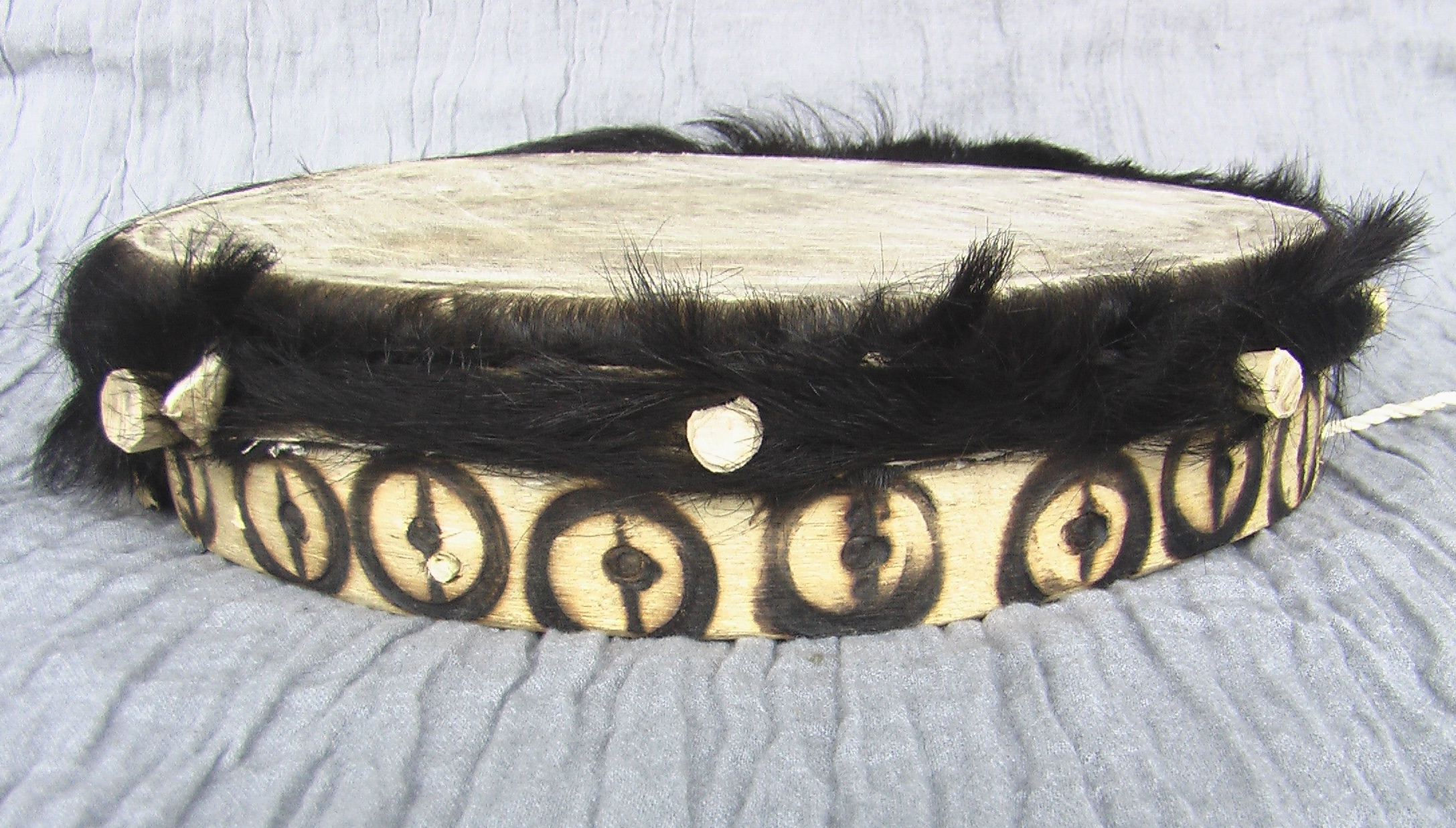
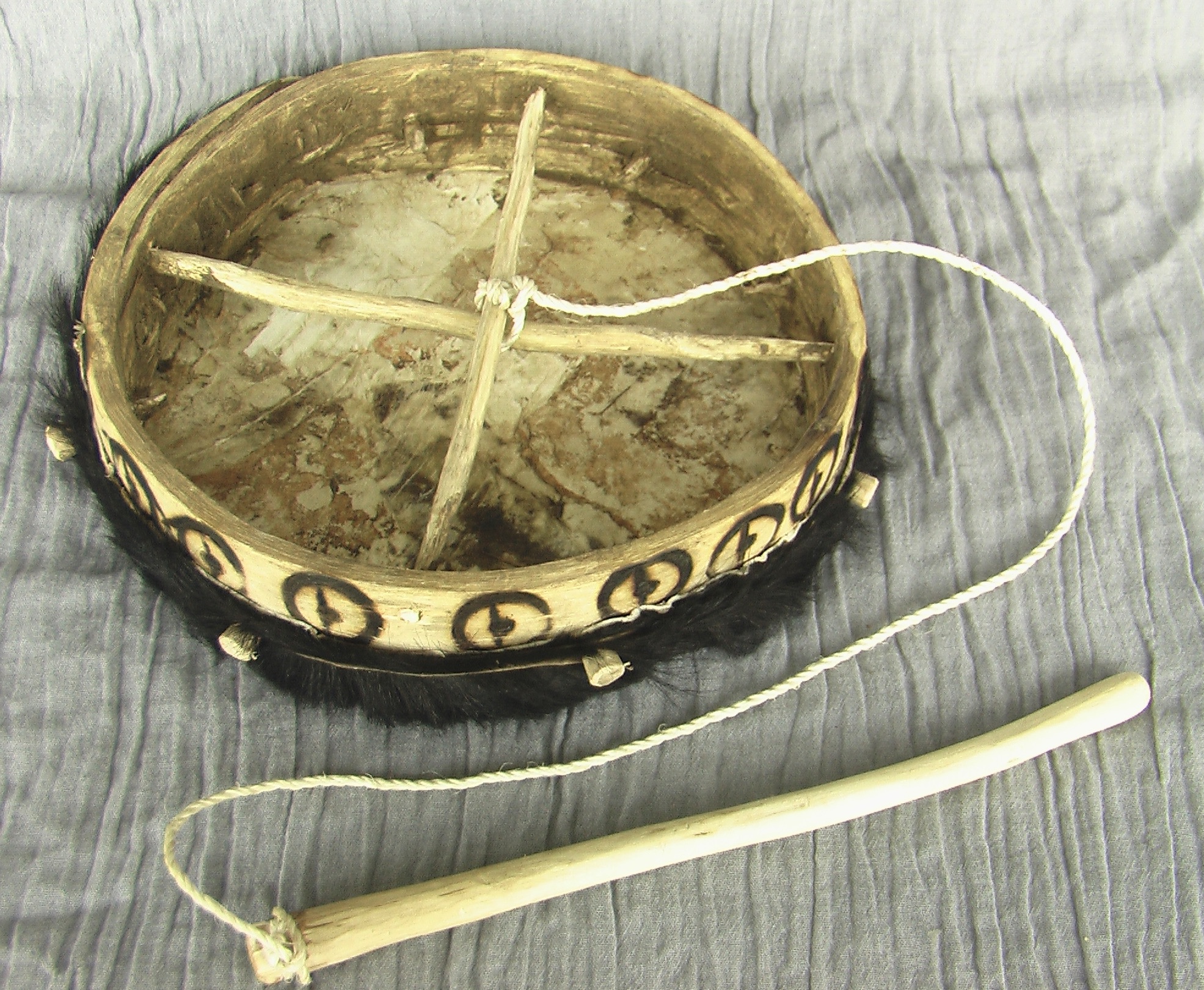
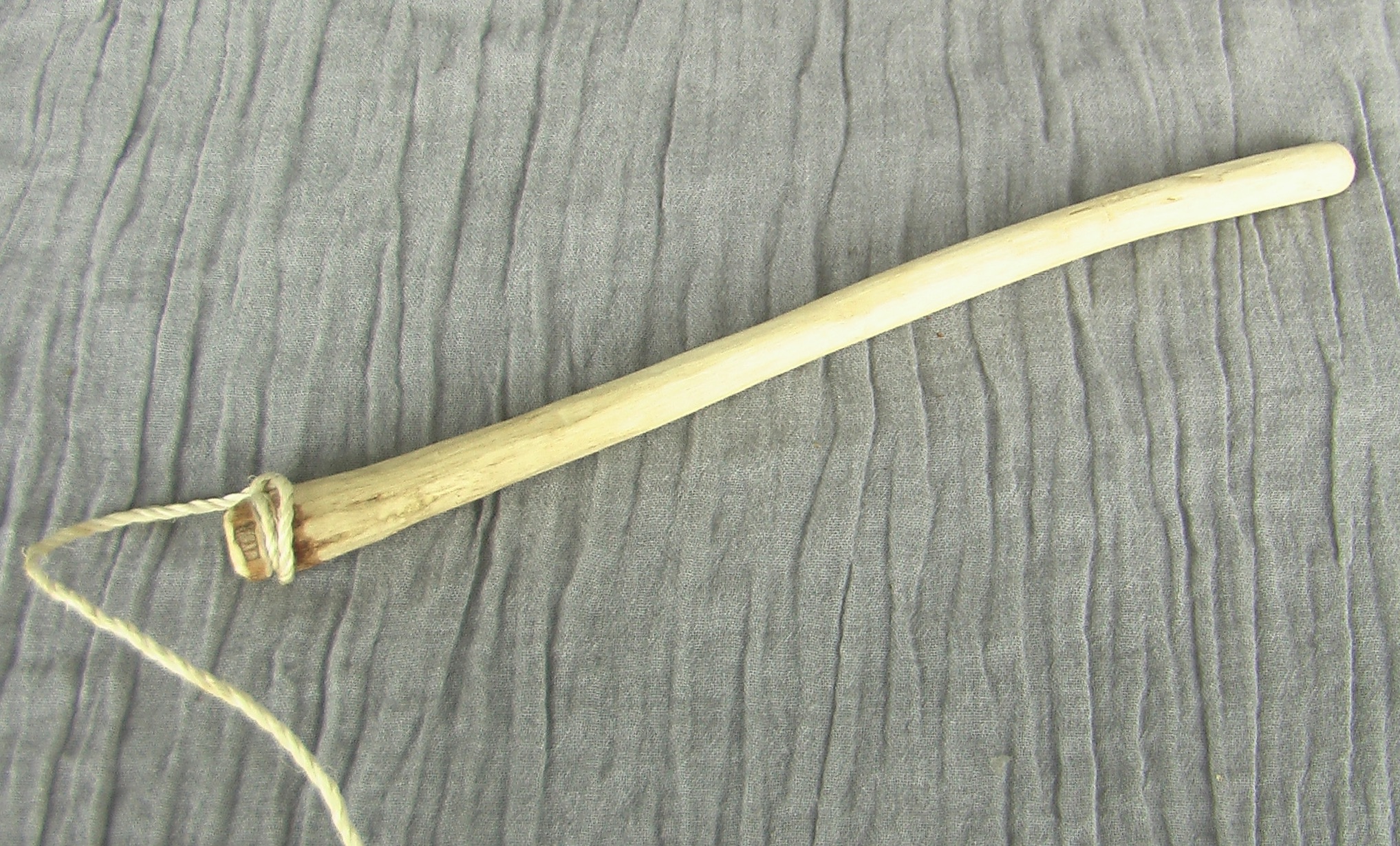
The gandira described here (see gallery #1) usually is played with other similar drums in multiple sizes. Because it was commissioned as an example of a gandira rather than as part of a multi-drum ensemble, it is somewhat smaller in size than the smallest gandira would be in an ensemble. The frame of the drum pictured here is made from the chigwendere tree (also known in English as “red bauhinia” or “pride-of-the-Cape”). A goatskin head covers the frame and is attached about wooden pegs that are pounded into the frame (detail #1). The basic tuning of a drumhead is set at the time of manufacture but can be adjusted with heat in order to make the pitch of each drum distinct and sharp enough to carry. Two crossbars behind the drum head (detail #2) add structural support and allow the person to hold the drum with one hand while striking it with a beater (detail #3) held in the other.
Player - Instrument Interface and Sound Production
Makandira are stick drums. People play them, usually, standing up holding the drum in one hand and striking it with a stick held in the other. The pitches themselves are relative but controlled with the application of heat to the drumheads prior to and during performance. Players can press the drumhead with a finger from the back as they hold the drum to generate two distinct pitches/timbral qualities. Combining multiple drums allows more complex patterns to emerge. Most ceremonial madzviti music is duple patterns that rely on combinations of multiple simple patterns played on multiple drums. These drums are accompanied by multiple singing parts, hand clapping, and makosho rattles (also called hosho). The resulting densely-layered texture of madzviti music can be heard in “Siya Hamba” (audio #1). The text of this song is:
Siya hamba mtombeni
[I am going Mtombeni] (urging the dzviti spirit Mtombeni to depart his medium’s body)
Origins/History/Evolution
According to Ndau oral history, the makandira arrived with the Gaza Nguni from the south. A specific date cannot be attached to their origin but it likely arrived in the mid-nineteenth century.
Bibliographic Citations
Johnston, Thomas F. 1971. “The Music of the Shangana-Tsonga.” Ph.D. Dissertation, University of the Witwatersrand, Johannesburg.
Kirby, Percival R. 1934. The Musical Instruments of the Native Races of South Africa. London: Oxford University Press.
Perman, Tony. 2020. Signs of the Spirit: Music and the Experience of Meaning in Ndau Ceremonial Life. Urbana, IL: University of Illinois Press.
Instrument Information
Origins
Continent: Africa
Region: East Africa
Nation: Zimbabwe
Formation: Ndau
Classification (Sachs-Von Hornbostel revised by MIMO)
211.311 membranophone--single-skin frame drum (the depth of the body does not exceed the radius of the membrane)
Design and Playing Features
Category: membranophone
Number of drums comprising instrument: single drum
Shell design: tubular - frame
Number and function of membranes: one, for sounding
Membrane design: unframed
Membrane attachment: unframed membrane lapped over pegs protruding from shell
Membrane tension control: none, tension set at time of manufacture
Sounding for membranophone: striking with one handheld beater
Sound modifiers for membranophone: none
Dimensions
9 in. diameter of drumhead
1.9 in. depth of shell
10 in. length of beater
Primary Materials
wood
membrane - mammal skin
Maker
Solomon Madhinga near Tafara Primary School, Chipinge District, Zimbabwe
Entry Author
Tony Perman